
Description
Atomization Technology & Metallurgical Architecture
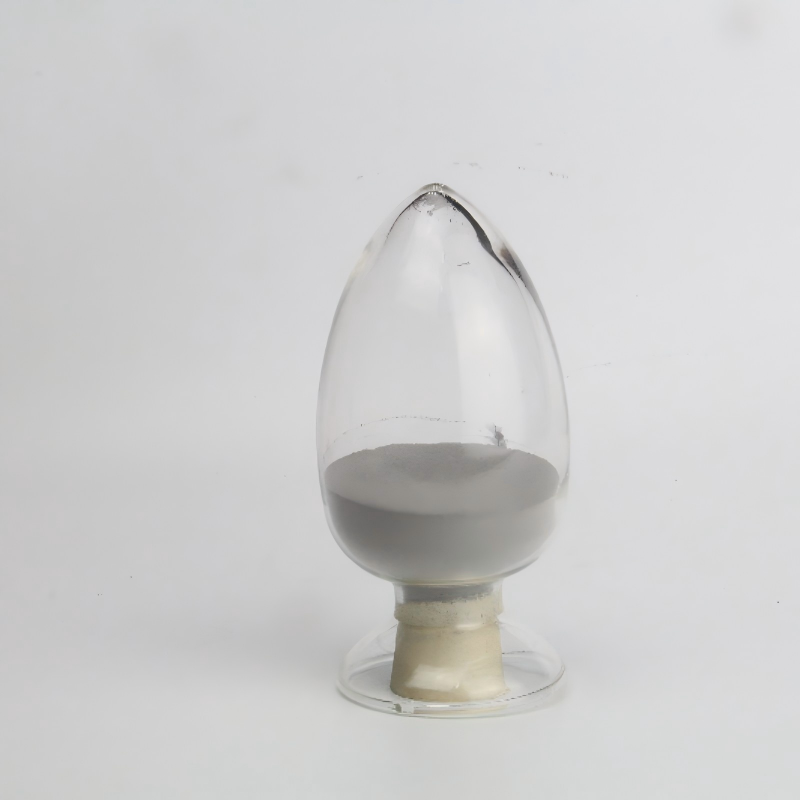
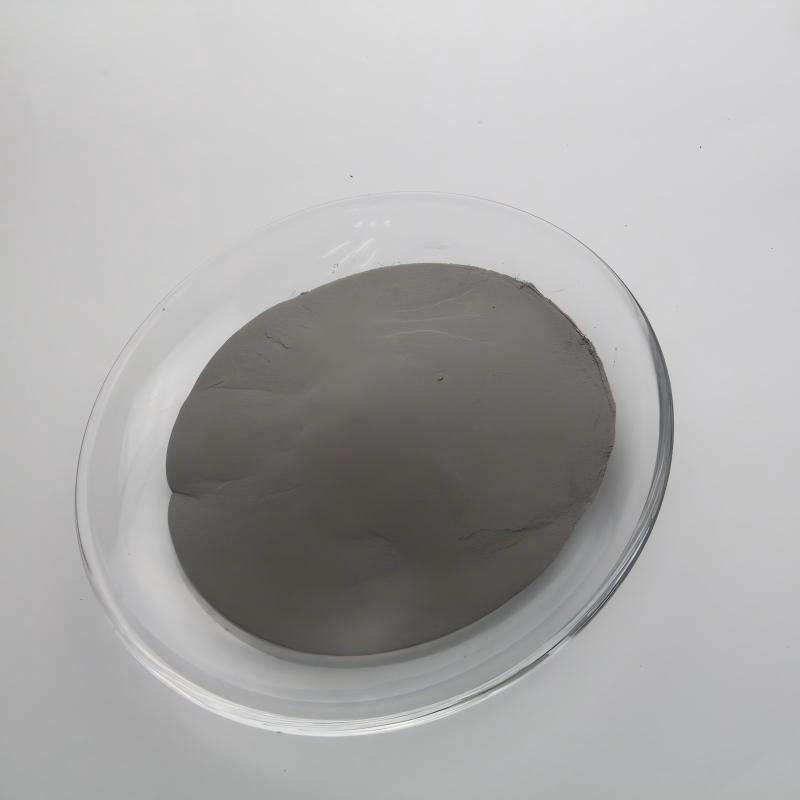
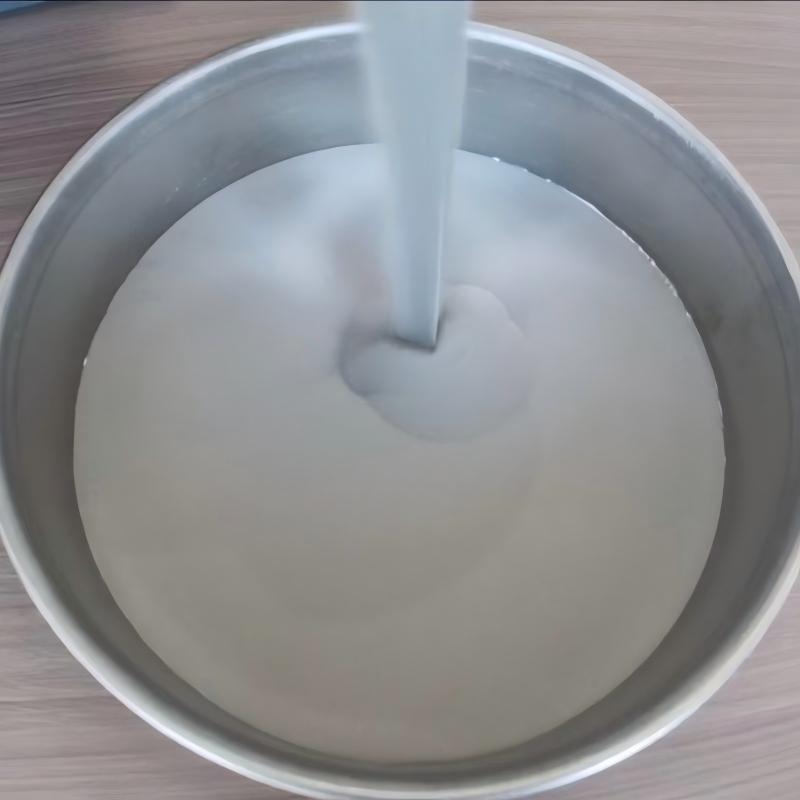
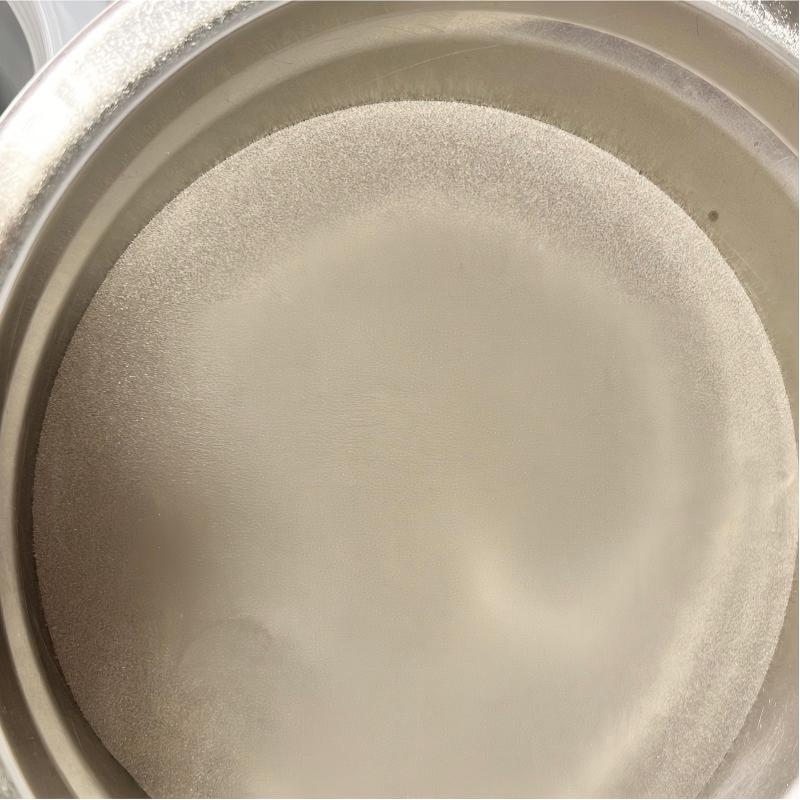
As heavy machinery remanufacturing and automated surface engineering scale globally, manufacturers require hardfacing materials that combine high wear/corrosion performance with realistic raw material economics. Our Spherical Iron-Base Alloy Powders are engineered via advanced Vacuum Induction Gas Atomization (VIGA) with supersonic argon/nitrogen gas nozzles, producing ultra-clean spherical powders with exceptionally narrow particle size distributions.
In laser cladding and PTA processes, our iron-base powders melt smoothly with high laser absorption and uniform thermal conduction. The resulting solidified overlay features extremely fine, homogeneous dendritic or eutectic microstructures densely populated with hard M7C3 / MC / M23C6 carbides and borides (microhardness up to 1,500–2,000 HV) embedded in tough martensitic or austenitic matrixes. This microstructural refinement prevents macroscopic cracking and delivers long-lasting protection against severe abrasion, impact, cavitation, and thermal fatigue.
Standard Iron-Base Powder Series & Performance Matrix
We manufacture a comprehensive matrix of iron-base hardfacing powders optimized for distinct industrial wear and remanufacturing requirements:
| Alloy Series / Grade | Typical Hardness | Nominal Chemical Base (wt%) | Microstructure, Wear Performance & Key Applications |
| Fe-Cr-C-B Self-Fluxing (High Abrasion Fe-60) | 58 – 64 HRC (Single Pass Deposit) | C: 2.0–3.0%, Cr: 15–22% B: 2.0–3.5%, Si: 1.5–2.5% Fe: Balance | Hypereutectic structure with dense Cr-borides and M7C3 carbides. Outstanding resistance to low-angle sliding abrasion and sand slurry wear. Ideal for agricultural sweeps, slurry pump impellers, and coal chutes. |
| Fe-Complex Carbide (Ultra-Wear Fe-65) | 62 – 68 HRC (Extreme Gouging) | C: 3.5–4.5%, Cr: 18–25% Mo+V+W+Nb: 5–10% Fe: Balance | Multi-carbide reinforced matrix with dispersed vanadium/niobium/tungsten MC carbides. Exceptional resistance to extreme high-stress grinding wear and high temperature abrasion up to 650°C (cement crusher rollers, sinter scrapers). |
| Fe-Cr-Mo-V Tool Steel (Martensitic Fe-50 / H13) | 48 – 56 HRC (Crack-Free / Machinable) | C: 0.35–0.55%, Cr: 5.0–8.0% Mo: 1.5–2.5%, V: 1.0% Ni: 1.0–2.0%, Fe: Bal | Tough martensitic secondary hardening matrix with superior resistance to thermal shock, thermal fatigue, and metal-to-metal wear. Machinable with CBN tools. Used for continuous casting rolls, hot forging dies, and heavy shafts. |
| Fe-Cr-Ni-Mo Stainless (Cavitation / Corrosion) | 28 – 42 HRC (High Toughness) | C: ≤ 0.08%, Cr: 13–18% Ni: 4.0–6.0%, Mo: 1.0–2.5% Fe: Balance (431 / 17-4PH) | High-strength martensitic/austenitic stainless matrix offering combined resistance to cavitation erosion, marine pitting, and moderate wear. Ideal for hydraulic cylinder rods, turbine runner blades, and valve seats. |
Particle Size Distribution (PSD) & Process Compatibility
Every powder batch is precision-sieved and cyclically classified to match specific hardfacing and additive manufacturing equipment requirements:
| Welding / Surfacing Process | Standard Particle Range (PSD) | Mesh Equivalent | Typical Operating Characteristics |
| High-Speed Laser Cladding & DED 3D Printing | 45 – 105 µm (or 53 – 150 µm) | 140 – 325 Mesh (or 100 – 270 Mesh) | High powder catchment efficiency (≥ 88%), zero satellite balls, smooth linear deposition. |
| Plasma Transferred Arc (PTA Surfacing) | 53 – 180 µm (or 63 – 212 µm) | 80 – 270 Mesh (or 70 – 230 Mesh) | Pneumatic steady feeding, dense melt pool without spatter, single-pass thickness 1.0–5.0 mm. |
| Flame Spray & Fuse / Spray Welding | 38 – 106 µm (or 45 – 125 µm) | 140 – 400 Mesh | Self-fluxing properties (B/Si additions reduce melting point), uniform wetting during torch fusing. |
| HVOF & High-Velocity Thermal Spraying | 15 – 45 µm (or 20 – 53 µm) | -325 / +500 Mesh | Ultra-fine spherical powder for dense coating with micro-porosity < 1.0% and high bond strength. |
Physical Powder Properties & Quality Indicators
| Physical / Powder Parameter | Standard Value & Quality Benchmark |
| Powder Sphericity | ≥ 92% (High circularity, smooth surface, minimal satellite powder attachments) |
| Apparent Density (Bulk Density) | 4.10 – 4.60 g/cm³ (High packing density ensures consistent melt volume) |
| Hall Flowability Rate | 16.0 – 21.0 s / 50g (ASTM B213 standard, zero bridging or clogging in feeder lines) |
| Gas Content (Oxygen / Nitrogen) | O ≤ 250 ppm, N ≤ 350 ppm (Vacuum induction melted & inert gas protected) |
| Moisture / Volatiles Content | ≤ 0.05% (Vacuum oven dried, sealed in moisture-proof aluminum foil containers) |
Core Technical Advantages & Commercial Impact
| Engineering Feature | Operational Advantage & Value to End Users |
| 1. High Metallurgical Compatibility with Steels | As iron-base alloys share thermal expansion coefficients similar to carbon and low-alloy steel substrates, thermal residual stress is minimized, dramatically reducing crack tendency during multi-pass thick cladding. |
| 2. High Deposition Catchment & Pore-Free Bonding | Superior sphericity and clean chemical composition optimize laser beam coupling, delivering ≥ 88% powder catchment efficiency and dense 100% metallurgical bonding with zero delamination. |
| 3. Tailored Self-Fluxing Chemistry (B & Si Additions) | Deoxidizing boron and silicon lower alloy melting points and reduce surface tension, promoting smooth liquid puddle spread and mirror-like bead smoothness with minimal post-cladding grinding allowance. |
| 4. Unbeatable TCO Reduction & High-Volume Feasibility | Enables cost-effective large-area remanufacturing of heavy industrial components (continuous casting rolls, hydraulic rods, mining picks) where expensive Ni/Co powders would be economically prohibitive. |
Key Application Industries & Components
| Industry Sector | Critical Wear & Corrosion Conditions | Typical Hardfaced / Cladded Components |
|---|---|---|
| Steel Mills & Metallurgy | Continuous thermal shock (300°C–800°C), heavy mechanical load, and steel scale abrasion. | Continuous casting pinch rolls, hot strip mill table rolls, mandrel shafts, leveler rolls. |
| Coal Mining & Heavy Machinery | Extreme mineral impact, rock cutting gouging, and coal dust abrasive wear. | Coal shearer picks, hydraulic roof support cylinder rods, scraper conveyor middle troughs, roadheader teeth. |
| Hydraulic & Heavy Equipment | Metal-to-metal sliding friction, corrosive hydraulic fluid, and marine atmospheric corrosion. | Large hydraulic cylinder piston rods, excavator boom pins, industrial transmission shafts. |
| Power Generation & Hydro | High-velocity water cavitation erosion and high-temperature fly ash erosion. | Hydro turbine runner blades, draft tubes, boiler feed pump shafts, coal pulverizer roller tires. |
| Agriculture & Earthmoving | Abrasive quartz sand soil friction and heavy rock impact wear. | Subsoiler points, tillage cultivator sweeps, ditcher blades, rotary tiller tines. |
Quality Assurance & Powder Characterization Standards
Every powder batch undergoes rigorous multi-dimensional physical and chemical verification prior to packaging:
•Particle Size Distribution (PSD) Analysis: Laser Diffraction Particle Size Analyzer (Malvern Mastersizer 3000) verification (D10, D50, D90 curve) ensuring tight particle range control.
•Morphology & Microstructure Inspection: Scanning Electron Microscopy (SEM) morphology evaluation verifying high sphericity and absence of internal hollow/porous powder.
•Chemical Melt & Gas Element Analysis: ICP-OES spectrometer chemical composition verification + LECO ONH combustion gas analyzer for precise O/N/H determination.
•Cladding Test & Deposit Hardness: Standard laser cladding / PTA test coupon execution to confirm dilution, porosity-free bonding, and Rockwell HRC hardness compliance.
Reviews
There are no reviews yet.