
Description
Metallurgical Architecture & Product Overview
In heavy industries such as mining, cement production, quarrying, dredging, agriculture, and earthmoving, equipment surfaces are subjected to destructive high-stress grinding, gouging abrasion, and mineral erosion. Our Iron-Base Cast Hardfacing Bare Rods are specifically formulated to solve these severe wear mechanisms by engineering a hypereutectic or eutectic microstructure rich in ultra-hard primary carbides.
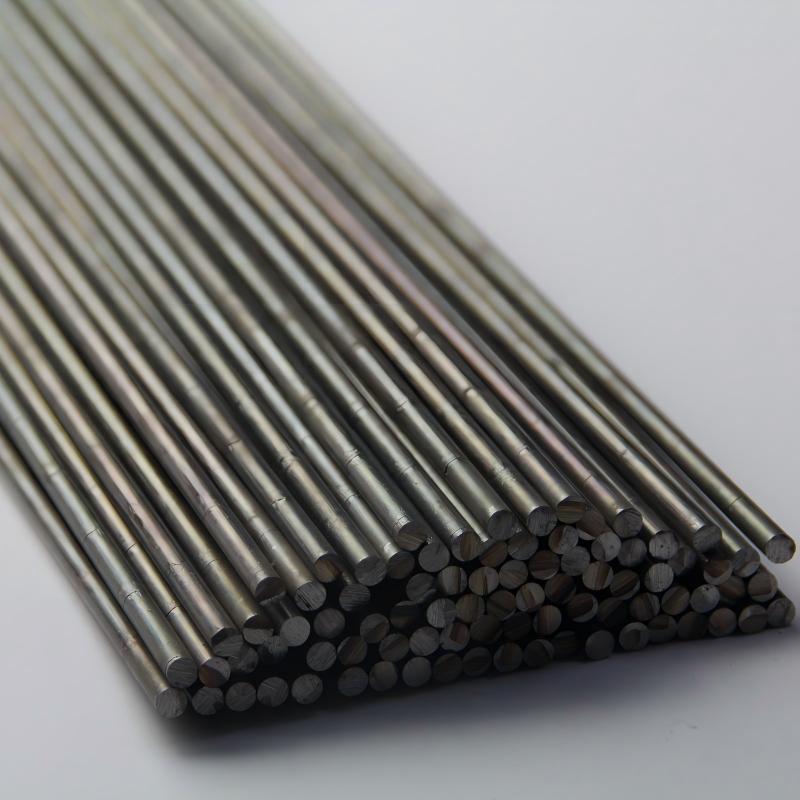
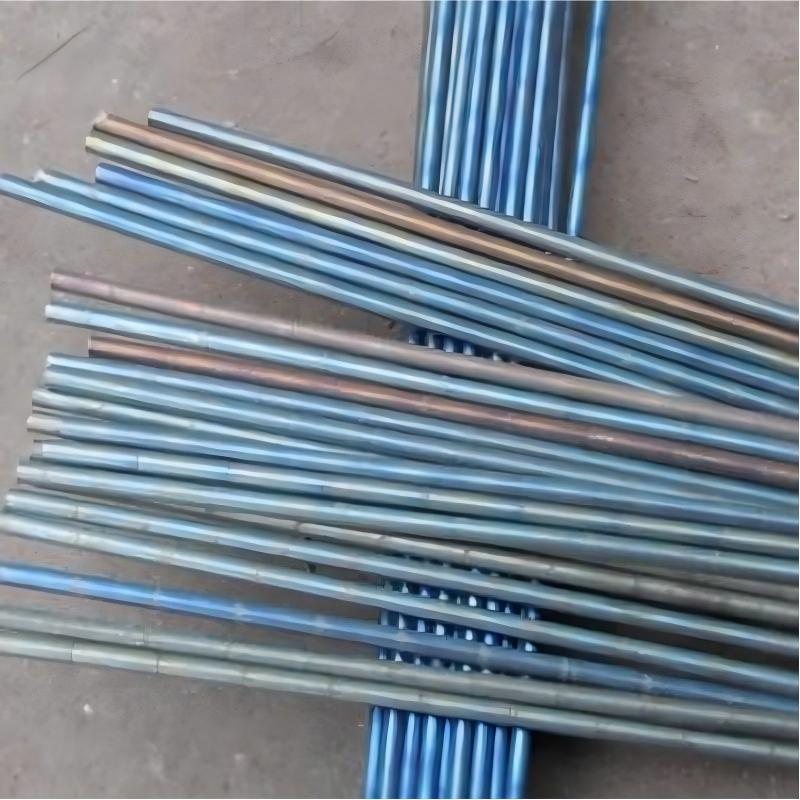
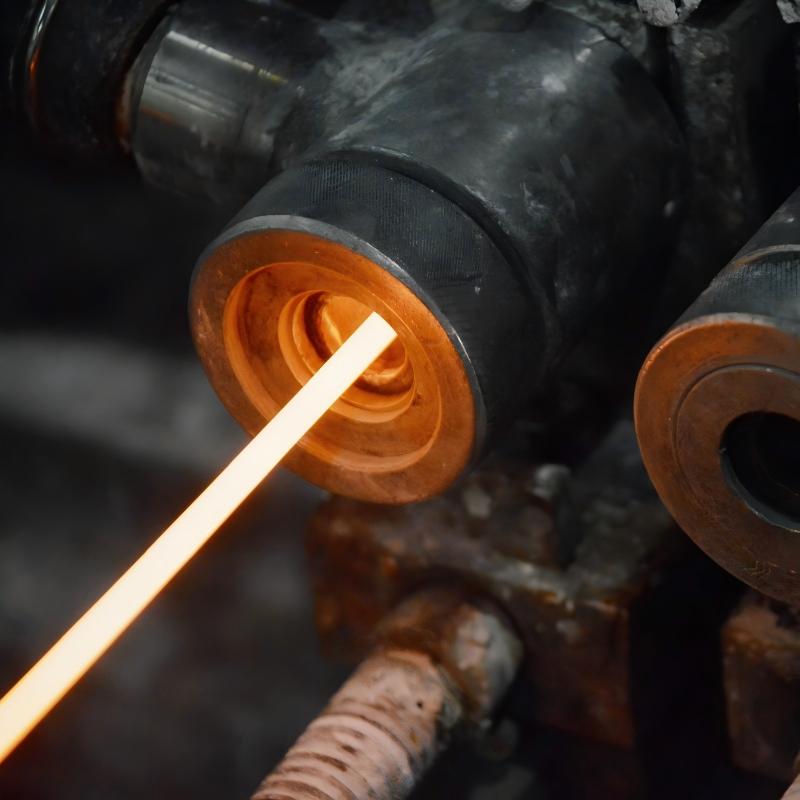
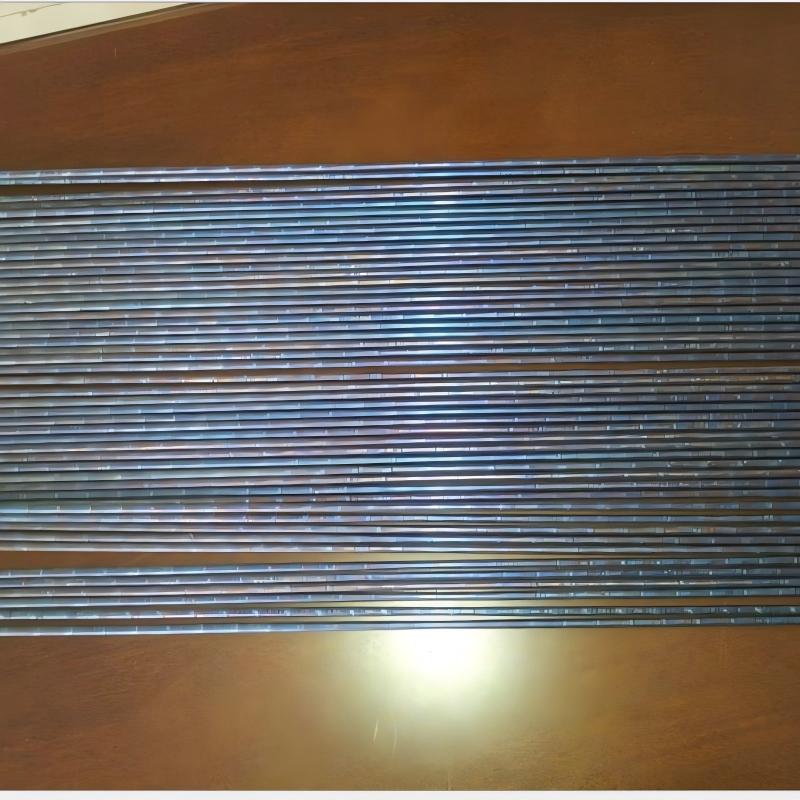
Manufactured via continuous horizontal suction casting or precision chill-mold casting, our bare rods feature an exceptionally clean, oxide-free surface and uniform diameter. During deposition, the rod melts smoothly into a fluid puddle, generating a dense overlay with high volume fraction (30%–50%) of hexagonal M7C3 chromium carbides and secondary complex vanadium/niobium/molybdenum carbides firmly anchored in a tough martensitic-austenitic matrix. This composite-like structure withstands extreme mineral wear while preventing catastrophic spalling.
| Iron—Base Alloy Bare Rods | |||||||||||||
| Trademark | Nominal Chemical Composition(wt%) | HRC | Application | Reference Standard | |||||||||
| C | Cr | Si | W | Ni | Fe | Mn | Mo | Co | B | ||||
| CAG-Fe90 | 2.50 | 27.00 | 1.40 | — | — | Bal | 1.20 | ≤ 0.50 | — | — | 50-55 | relieved teeth, pump sleeve, saw teeth, etc | — |
| CAG-Fe94 | 3.20 | 30.00 | 1.70 | — | 3.00 | Bal | 1.50 | ≤ 0.50 | — | 0.80 | 56-60 | excellent wear-resistance, excavator, cracker roller, etc | — |
Standard Dimensions, Tolerances & Export Packaging
| Standard Diameter (mm / Inch) | Diameter Tolerance | Standard Length (mm) | Standard Packaging |
|---|---|---|---|
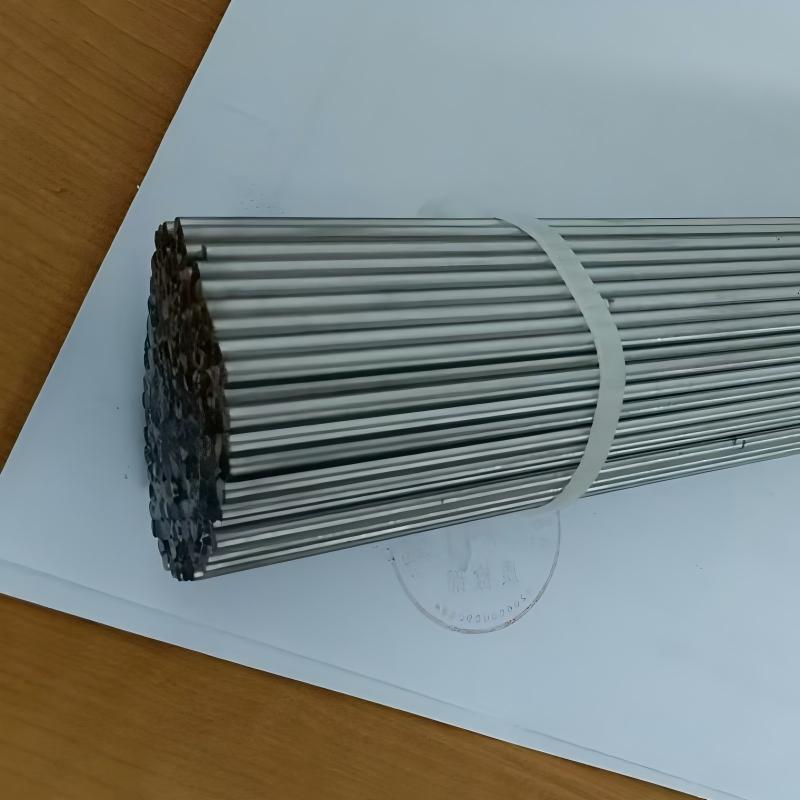
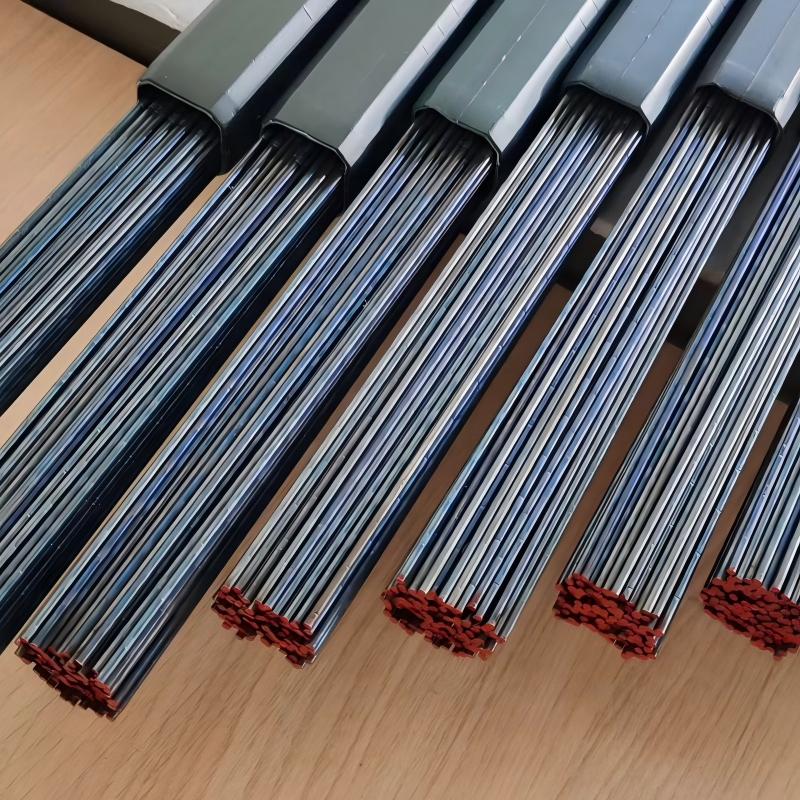
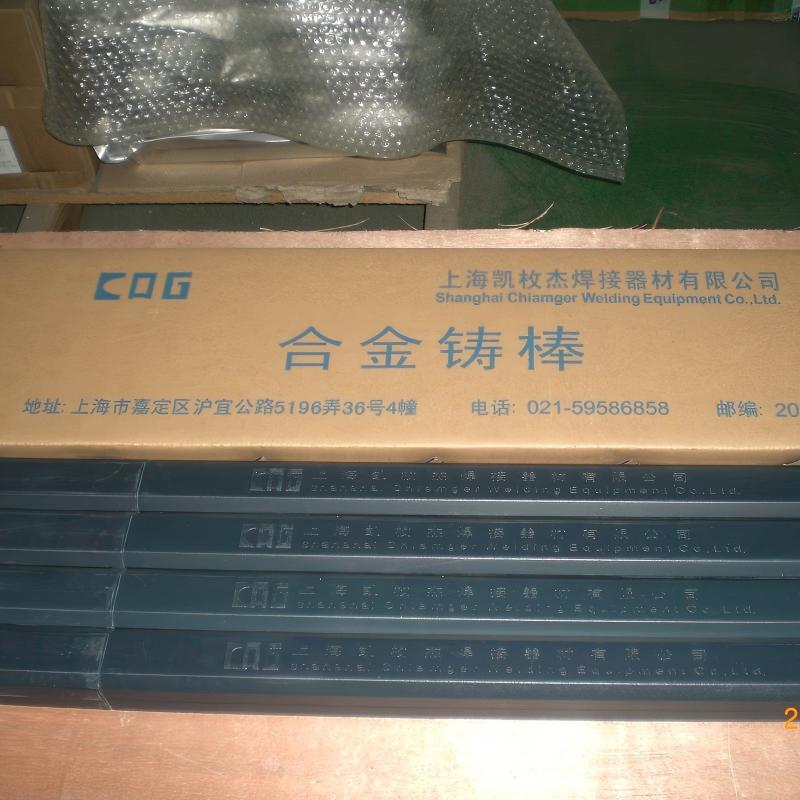
| Ø 3.2 mm (1/8″) | ± 0.15 mm | 350 mm / 500 mm / 1,000 mm | 5 kg plastic tube / 20 kg carton box (Vacuum sealed against humidity) |
| Ø 4.0 mm (5/32″) | ± 0.15 mm | 350 mm / 500 mm / 1,000 mm | 5 kg plastic tube / 20 kg carton box / 500 kg wooden crate |
| Ø 5.0 mm (3/16″) | ± 0.20 mm | 500 mm / 1,000 mm | 5 kg plastic tube / 20 kg carton box / 500 kg wooden crate |
| Ø 6.4 mm (1/4″) | ± 0.25 mm | 500 mm / 1,000 mm | 5 kg plastic tube / 20 kg carton box / 500 kg wooden crate |
| Ø 8.0 mm (5/16″) | ± 0.30 mm | 500 mm / 1,000 mm | 5 kg plastic tube / 20 kg carton box / 500 kg wooden crate |
Welding Procedures & Operating Guidelines
To ensure flawless metallurgical bond and prevent stress cracking, follow these recommended operating parameters:
A. Oxy-Acetylene (OAW) Flame Surfacing
•Flame Adjustment: Use a slightly carburizing (reducing) flame with a 2x to 3x excess acetylene feather. This prevents decarburization and facilitates smooth wetting.
•Substrate Pre-Sweating: Heat the base metal until the surface exhibits a subtle ‘sweating’ (watery glare), then melt the bare rod into the molten puddle without deep base penetration.
•Dilution Control: Maintains dilution below 5%, ensuring full hardness and maximum carbide density right from the first layer.
B. TIG / GTAW Gas-Shielded Surfacing
•Current & Polarity: Direct Current Electrode Negative (DCEN). Recommended current: 100–140A (Ø3.2mm), 140–180A (Ø4.0mm), 180–230A (Ø5.0mm).
•Shielding Gas: 100% High-Purity Argon (Ar ≥ 99.99%) or Argon + 2% H2 mixture with flow rate of 10–15 L/min.
•Preheating & Post-Cooling: Preheat medium/high-carbon substrates to 250°C–400°C. Allow slow cooling in dry vermiculite or insulating blanket to minimize cross-checking stress.
Core Technical Advantages (Why Choose Our Cast Rods?)
| Technical Feature | Operational Advantage & Value to End Users |
| 1. Superior Carbide Hardness & Volume Fraction (30%–50%) | Primary M7C3 chromium carbides (1,500–1,800 HV) withstand extreme coarse mineral cutting and fine quartz sand abrasion, increasing component wear life by 300% to 800% over mild steel. |
| 2. High Deposition Efficiency & Puddle Fluidity | Continuous cast structure provides uniform melting rate and clean puddle visibility without sputtering, reducing slag inclusions and operator fatigue. |
| 3. Exceptional Thermal Stability Up to 600°C (1,100°F) | High chromium and secondary alloying elements (Mo, V, W) retain high red hardness in elevated temperature abrasive environments such as sinter plants and hot slag chutes. |
| 4. Outstanding Economy & Fast Commercial Payback | Significantly lower consumable cost compared to Cobalt (Stellite) or Nickel alloys, delivering the optimal balance of extreme abrasion resistance and high-volume economic feasibility. |
Target Industries & Key Application Components
| Industry Sector | Dominant Wear Mechanism | Typical Hardfaced Components |
|---|---|---|
| Mining, Quarrying & Minerals | High-stress gouging abrasion, severe rock grinding, and quartz particle erosion. | Excavator bucket teeth, loader lip plates, crusher hammers, sizing grizzly bars, chute liners, slusher buckets. |
| Cement & Concrete Processing | Hot abrasive clinker crushing, limestone pulverizing, and fine powder erosion. | Clinker crusher hammers, roller press tires, air classifier guide vanes, slurry pump impellers, screw conveyors. |
| Agriculture, Forestry & Sugar | Dry/wet abrasive sandy soil wear, root impact, and fibrous cane shredding. | Plowshares, cultivator sweeps, subsoiler points, cane shredder knives, wood chipper anvils, seed drill boots. |
| Dredging & Earthmoving | High-velocity abrasive gravel slurry and severe riverbed sand wear. | Dredge cutter head teeth, suction pipe elbows, slurry pump casings, dragline bucket wear pads. |
| Steel Mills & Heavy Forging | High-temperature metal-to-metal friction, scale abrasion, and thermal fatigue. | Hot shear blades, entry guide rolls, blast furnace burr scrapers, hot forging die repair, pinch rolls. |
Quality Assurance & Chemical Verification
Every production heat is subject to comprehensive quality testing to guarantee flawless hardfacing performance:
•Optical Emission Spectrometry (OES): Direct reading spectrometer verification of C, Cr, Mo, V, W, Nb, Mn, and Si content for 100% chemical melt consistency.
•Hardness & Microstructure Testing: Rockwell C (HRC) and Vickers (HV) hardness verification across test weld beads, plus metallographic inspection of carbide distribution.
•Dimensional & Surface Inspection: Precision digital micrometer diameter inspection and visual surface check ensuring zero porosity, cold shuts, or cracks.
Reviews
There are no reviews yet.