
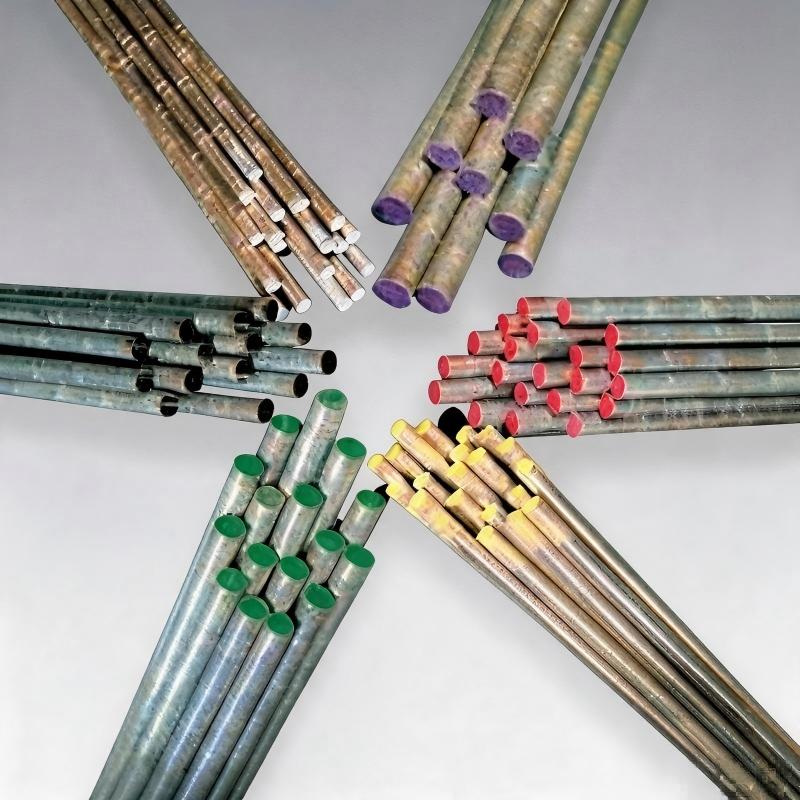
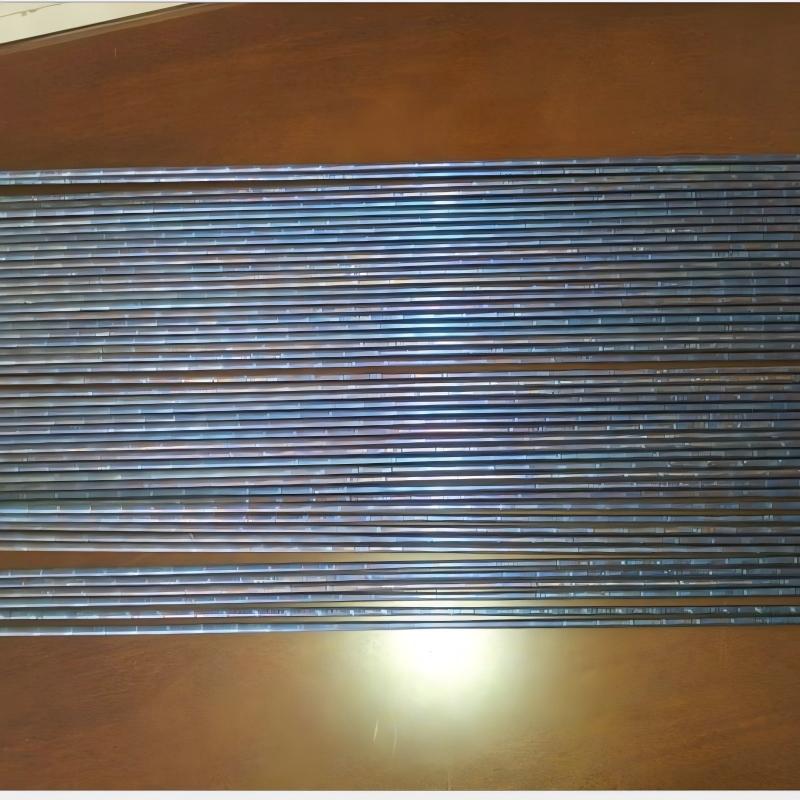
Description
【Microstructural Engineering 】
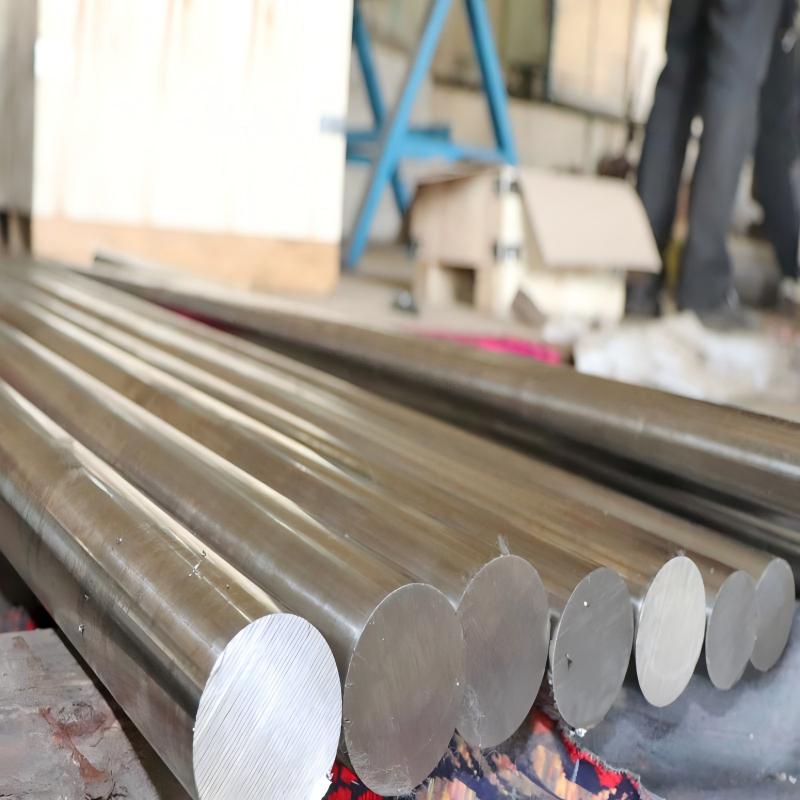
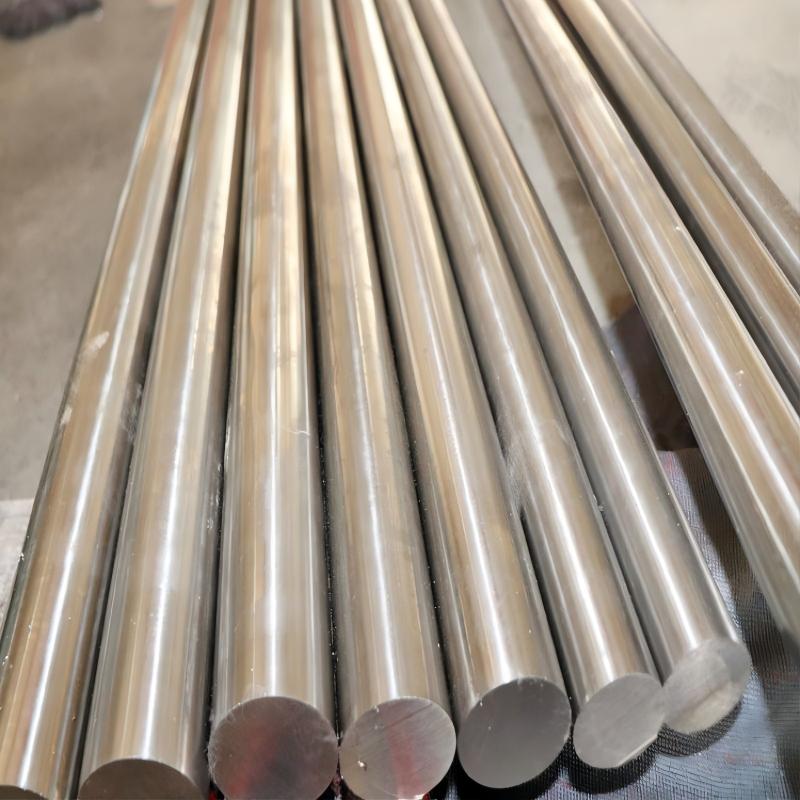
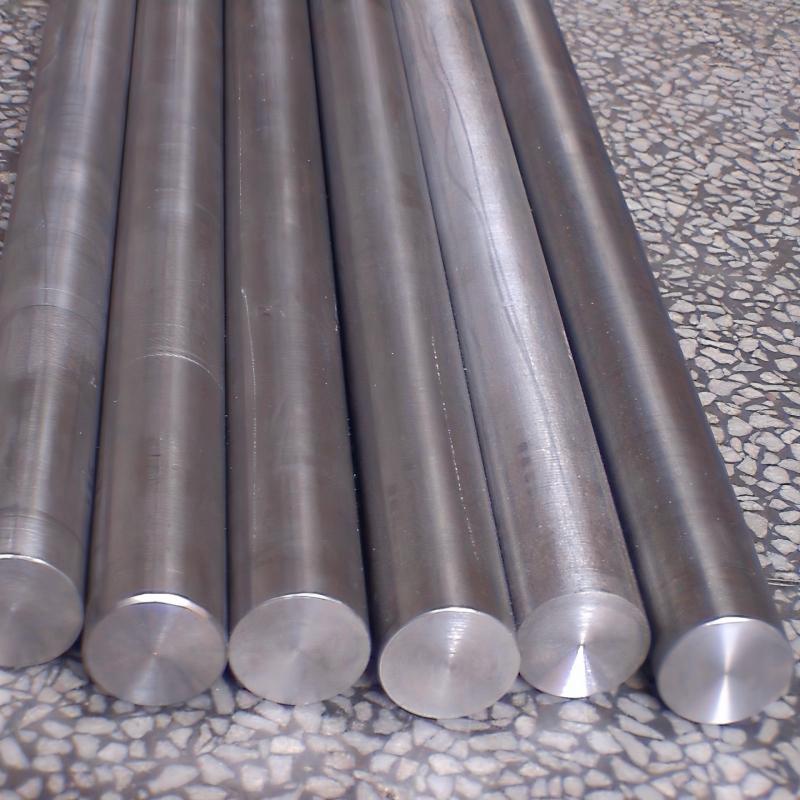
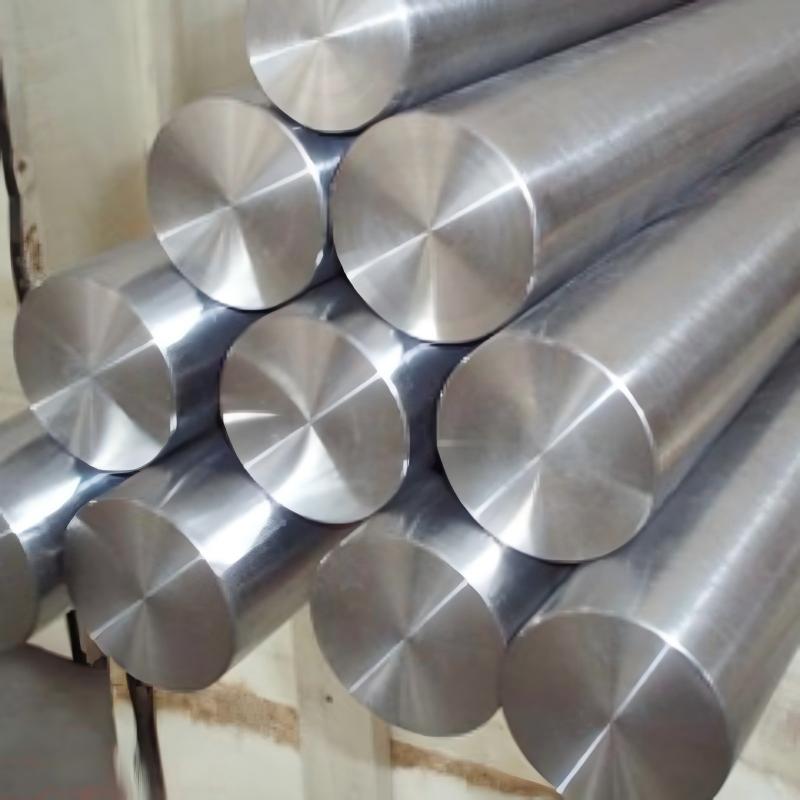
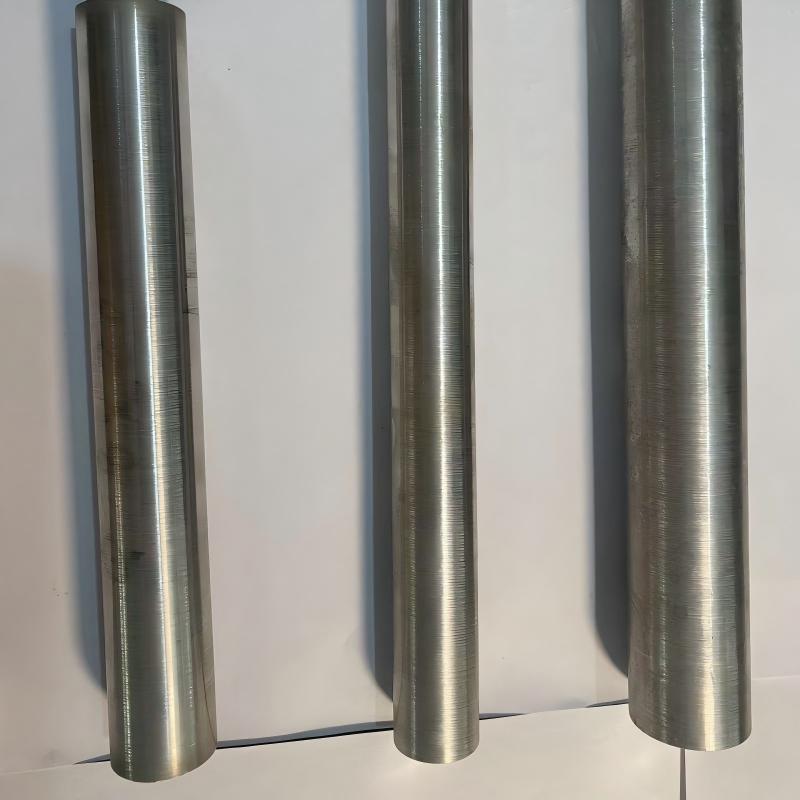
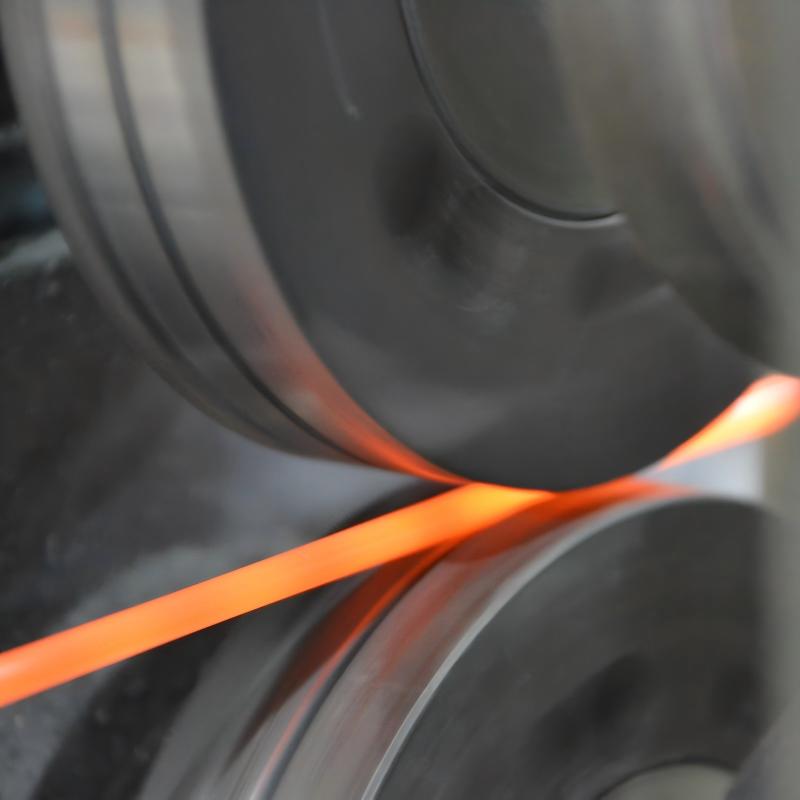
Nickel-base cast hardfacing bare rods are manufactured using high-purity virgin raw materials through precision vacuum induction melting (VIM) and horizontal/vertical continuous casting. Unlike conventional wrought welding wires that are limited by work-hardening during drawing, cast alloy rods allow high alloy additions of Chromium (Cr), Boron (B), Silicon (Si), Carbon (C), Molybdenum (Mo), and Tungsten (W).
The resulting microstructure consists of an ultra-tough nickel-solid-solution austenite matrix heavily reinforced with uniformly dispersed, ultra-hard complex chromium borides (CrB, Cr5B3) and chromium carbides (Cr7C3, Cr23C6). Silicon acts as a powerful deoxidizer and lowers the alloy’s liquidus temperature, imparting self-fluxing characteristics and exceptional weld pool wettability during flame or arc deposition.
| Nickel—Base Bare Rods | |||||||||||||
| Trademark | Nominal Chemical Composition(wt%) | HRC | Application | Reference Standard | |||||||||
| C | Cr | Si | W | Ni | Fe | Mn | Mo | Co | B | ||||
| CAG-Ni22 | ≤ 0.10 | 0.50 | 2.50 | — | Bal | 1.00 | 0.50 | — | ≤ 0.50 | 1.40 | 20-26 | glass molds, brick molds, various forming dies | — |
| CAG-Ni25 | ≤ 0.10 | 4.50 | 2.00 | — | Bal | ≤ 0.50 | ≤ 0.50 | — | ≤ 1.00 | 1.00 | 25-30 | glass molds, brick molds, various forming dies | — |
| CAG-Ni40 | 0.50 | 11.00 | 3.80 | — | Bal | 4.00 | ≤ 0.50 | — | ≤ 1.00 | 2.50 | 35-44 | pump shaft, feeding spiral, outlet valves sealing surface, etc | — |
| CAG-Ni50 | 0.60 | 12.00 | 3.70 | — | Bal | 4.00 | ≤ 0.50 | — | ≤ 1.00 | 2.50 | 45-54 | pump shaft, pulp cutter, valve, plunger, etc | — |
| CAG-Ni60 | 0.80 | 15.00 | 4.00 | — | Bal | 4.00 | ≤ 0.50 | — | ≤ 1.00 | 3.50 | 55-60 | pump shaft, pulp cutter, valve, plunger, etc | — |
Standard Dimensions & Supply Conditions
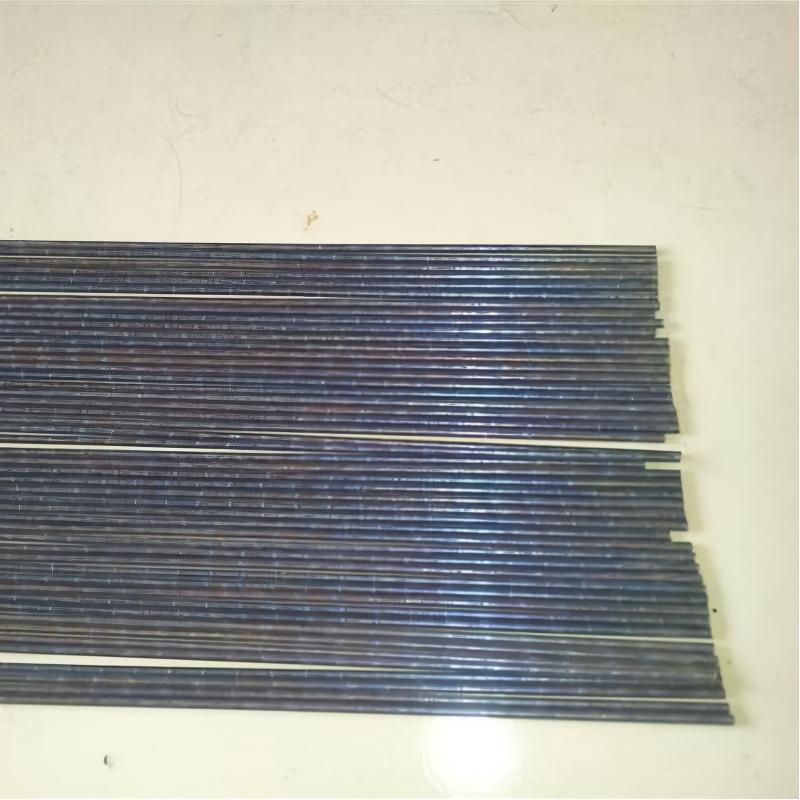
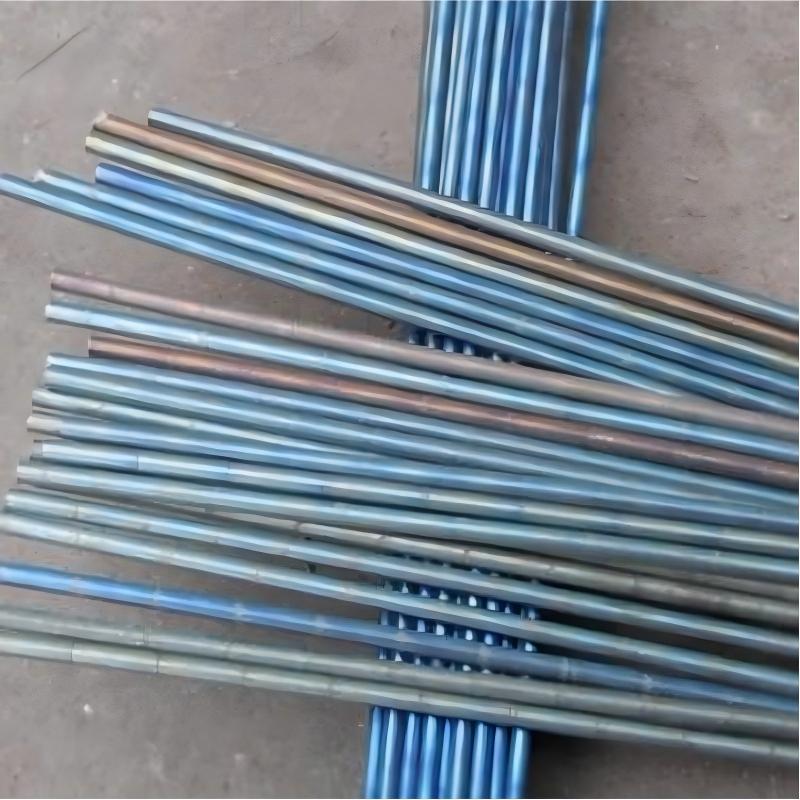
• Standard Diameters : Ø 2.5mm (3/32″), Ø 3.2mm (1/8″), Ø 4.0mm (5/32″), Ø 5.0mm (3/16″), Ø 6.4mm (1/4″), Ø 8.0mm (5/16″) — Tolerance: ±0.15mm.
• Standard Lengths : 1000mm (39.4″), 500mm, or customized precision cut lengths.
• Surface Conditions : As-Cast (Precision blast cleaned), Centerless Ground , Polished.
• Packaging : 5 kg / 10 kg moisture-proof sealed plastic tubes, packaged in shockproof cartons and export fumigated wooden boxes.
Key Engineering Advantages
【01 / Multi-Wear Defense】
1. Superior Multi-Mechanism Wear Resistance
The dense intermetallic borides and carbides effectively resist high-stress low-angle abrasion, high-velocity slurry erosion, metal-to-metal galling, and frictional fretting. Proven in real plant environments to outlast hardened tool steels and chromium carbide overlays by 300% to 600%.
【02 / High-Temp Red Hardness】
2. Outstanding High-Temperature Red Hardness
Unlike carbon and martensitic alloy steels that lose hardness above 400°C due to tempering, BLOOM nickel-base alloys maintain elevated hot hardness up to 800°C and demonstrate remarkable resistance to thermal shock, high-temperature oxidation, and cyclic thermal fatigue.
【03 / Chemical Resistance】
3. Wide-Spectrum Chemical Corrosion Resistance
High Nickel and Chromium matrix provides passive film protection against aggressive oxidizing and non-oxidizing acids, flue gas dew-point corrosion, chlorides, and sulfide stress corrosion cracking (SSCC).
【04 / Process Adaptability】
4. Exceptional Weldability & Self-Fluxing Action
Boron and Silicon act as in-situ deoxidizers, reducing surface tension during molten pool formation, allowing smooth, low-porosity bead profiles with clean tie-ins and minimal post-weld grinding requirements.
Target Industrial Applications
| Industry | Critical Components | Recommended Grade & Benefit |
|---|---|---|
| Valve & Fluid Control | Valve seats, wedges, plugs, stems, choke valves, safety relief trims. | Ni60 / Ni55: Eliminates cavitation erosion, high-pressure wire drawing, and galling. |
| Polymer & Plastic Extrusion | Twin-screw flights, feed blocks, pelletizer die faces, rotor knives. | Ni60: Resists extreme abrasive glass-fiber wear and halogen flame-retardant corrosion. |
| Petrochemical & Refining | Pump shafts, thermowells, hydrocracker impellers, mechanical seal faces. | Ni-Cr-Mo / Ni60: Prevents pitting, sour gas (H2S/CO2) corrosion, and erosive wear. |
| Power & Energy Generation | Boiler tube erosion shields, steam turbine bypass valves, sootblower nozzles. | Ni50 / Ni60: High-temperature steam oxidation and erosion resistance. |
| Glass & Metal Forming | Glass bottle mold plungers, neck rings, hot shear knives, extrusion guide rolls. | Ni45 / Ni50: Smooth release, thermal shock resistance, easy CNC finishing. |
Welding Procedures & Guidelines
TIG / GTAW Process
• Shielding Gas : 99.999% High-Purity Argon (Ar), Flow rate: 10 – 15 L/min.
• Current & Polarity : Direct Current Electrode Negative .
• Preheating : 300°C – 500°C based on base metal mass and carbon equivalent (CE).
• Technique : Maintain a short arc, avoid excessive weave width, keep the hot tip of the bare rod strictly inside the argon shielding zone to prevent atmospheric oxidation.
Oxy-Acetylene Flame / OAW Process
• Flame Characteristic : Soft, slightly carburizing (reducing) flame with a slight excess acetylene feather (feather length ≈ 2-3x inner cone).
• Base Metal Wetting: Sweat the base metal surface until shiny before applying the rod.
• Post-Weld Cooling: Bury in insulation powder (vermiculite/dry lime) or furnace cooling to room temperature to relieve residual shrinkage stresses.
Quality Assurance & Compliance
• Spectrometric Chemical Analysis: 100% heat-by-heat testing using Optical Emission Spectrometer (OES) and Inductively Coupled Plasma (ICP).
• Non-Destructive Testing (NDT): 100% Liquid Penetrant Testing (PT) and Ultrasonic Testing (UT) upon request to guarantee zero internal voids.
• Certified Documentation: Mill Test Certificate (MTC) with every batch.
• Traceability: Permanent laser batch marking and heat number allocation on packing tubes.
Reviews
There are no reviews yet.